

Home Blog Page 8

Jaipur, the Pink City

22

30/07/2013

Our  initial goal was getting from New Delhi to Jaisalmer (a city in the desert that borders with Pakistan), however we were unable to get a direct train ticket, therefore we had to make a stop in Jaipur.

We bought our tickets at the New Delhi train station, at the International Tourism Bureau, which is located on the station’s first floor. It’s important to keep focused and not mind all the several locals hanging around (some pratically live there) that are trying to make any commission they can on selling you any ticket, rickshaw ride, child photo or any other creative service.


Most of the times, they will be friendly and amusing, and it is understandable that they will do what they have to, to survive in the New Delhi chaos and poverty (not only New Delhi for that matter), so they will insist and hang around you for a long time, trying to catch you off guard. :)


At the train for Jaipur we really would like to enhance the quality of the AC2 carriages, with 4 beds per compartment, which albeit not having a western kind of presentation and being a bit more expensive, are surely recommendable for those wanting to avoid a major shock in transport conditions! We thoroughly recommend anyone to use train as the main means of transporation, since it is ideal for longer rides and time really flies on the train. The AC3 carriages also look nice, but you can get a bit crammed up inside, as each compartment (same size as AC2) can take 6 people instead of 4, although they are a bit cheaper. In our case we’ve been trying to get the AC2 whenever we can. If you wish to know more about the best options for tourists travelling in India check Gonçalo Cadilhe’s book “O Mundo é Fácil” (The World is Easy).

During the train trip we had the pleasure of sharing our compartment with 3 indians (actually a man and 2 women; we weren’t sure if they were both his wives actually) all were super nice and very interested and surprised with the size of our luggage, considering the planned lenght of our trip. Each of the women would probably take around 3 suitcases filled with Saaris, Chapatis and Saffron for a mere weekend trip! =)

Around the time we were supposed to arrive at Jaipur (supper time) the indian ladies pulled out a deliciously looking homemade meal, which they were so kind as to share with us. Yum! Delicious indeed!
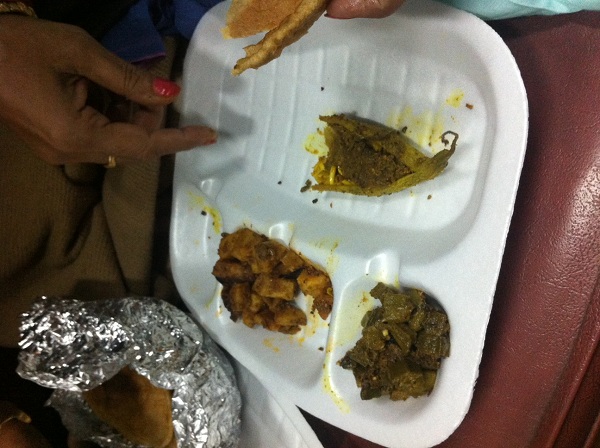
photo (8)_post

photo (9)_post

We arrived at Jaipur around 20h30 of July 30th. As soon as we stepped out of the train, we already had a nice young man ready to render his services. At first we payed him no attention whatsoever, so the guy was trying to get us to talk by asking us all sorts of questions. We were able to pretty much ignore him up to the point where he asked if we were spanish! Excuse us??!?!?

We used the words of the ever wise Castro “por supuesto que si!!” and we asked him “quanto es el tombo de aqui a Surya Villa Hotel?” (how much to get us to the Surya Villa Hotel) =)

He asked for 100 rupees (less than 2€) but after we understood that he actually didn’t know the way to the hotel (he was questioned “Inquisition style” by Diogo Sousa and failed miserably), we then headed to the official rickshaw stand where we met the guy who would our guide in Jaipur – Mr. Raul Rahis! We paid him 85 rupees.
We arrived at the Surya Villa, having had a nice conversation with Raul on the way, but we were too tired to go out again.

We had dinner at the hotel for 440 rupees (less than 6€). White rice, two samosas, lentil curry (Dal Yellow) and the ever present roti delighted our stomachs!!! All the hotel’s staff were extremely nice and the hotel itself was rather cosy (Surya Villa), apart from all the mosquitoes hanging around.

We stayed up till 4 am reanalysing our route options in India, because the time to buy our next plane tickets has arrived (Kolkata – Jakarta; Bali-Singapore, Kuala Lumpur – Tokyo) and to buy hem we need to determine which cities to visit and how many days to spend in each.

31-07-2013
Wednesday, 09h45.
Having breakfast in zombie-state.
Breakfast, allegedly continental, but without any of the things you would expect in a continental breakfast…so we had toasts with eggs and a banana each.
To drink, something that reminded us of coffee.
10h02-12:04: make up lost sleep. Ah, the hard life of a traveller! :)
Our crazy indian driver, Raul, arrived around 13h30 and we were off to discover Jaipur with the first priority being: LUNCH!
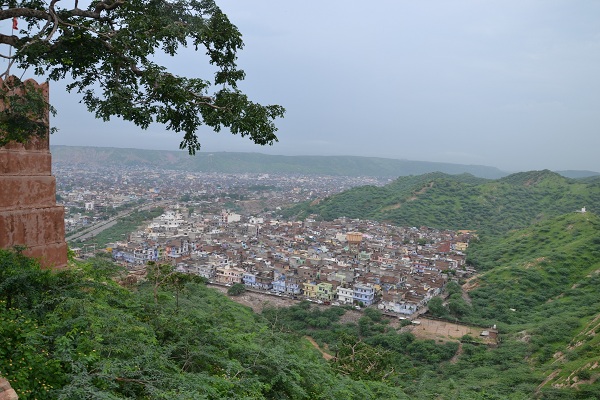
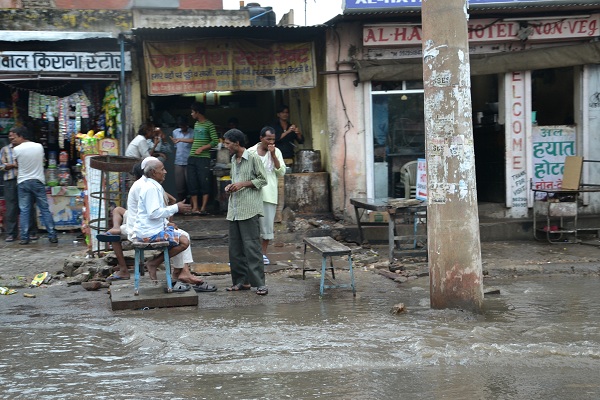
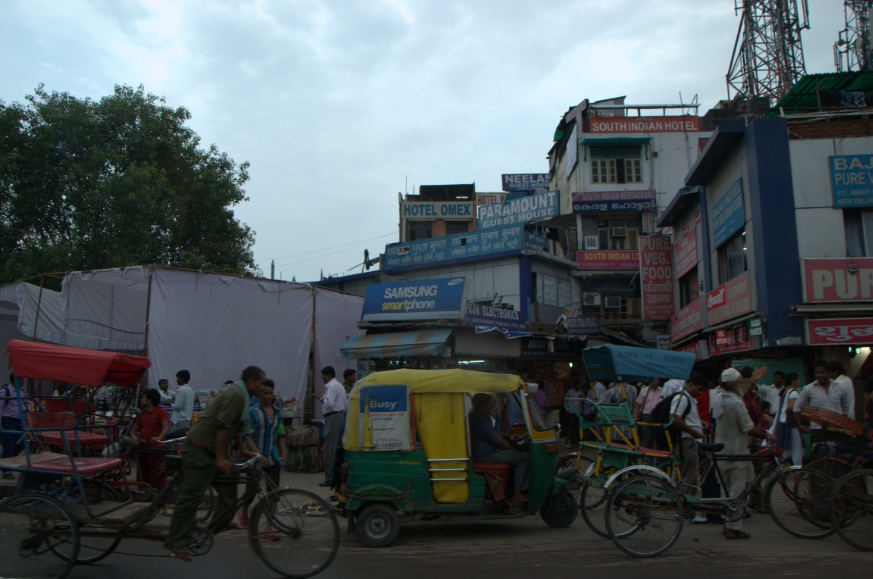
Since it’s monsoon season, here are some pics to give you an idea of what we have been seeing (we use the portuguese word Pardieiro something dirty and messy):
DSC_0693_post
DSC_0690_post
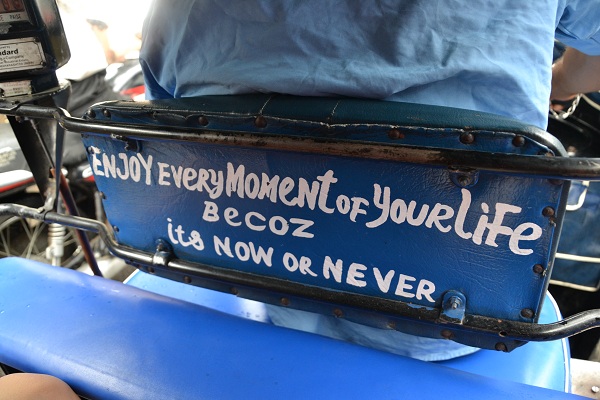
The view from our Tuc-Tuc:
DSC_0692_post

Up till now from the places we’ve been to, including the capital of India, we have not found streets that aren’t extremely dirty, filled with cows or pigs wandering the streets, sniffing through the trash :
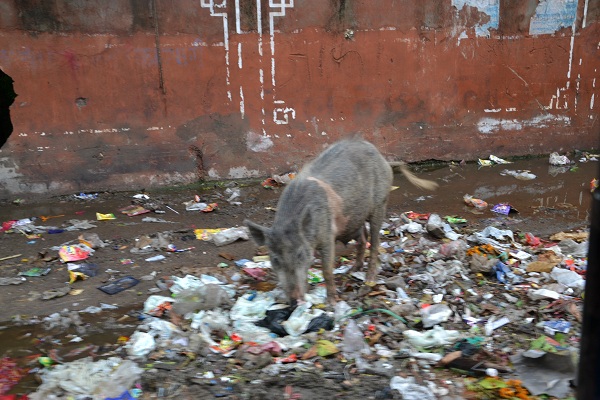
DSC_0680_post

DSC_0673_post

But has so ever well depicted in books, documentaries and travellers’ and locals testimonials, India is a country that sticks on you due to the beauty of its contrasts and we are finding that out for ourselves:
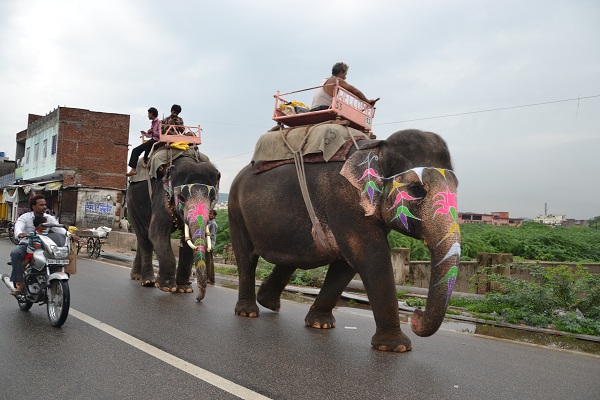
DSC_0682_post

palace of the winds
Palace of The Winds, built in red and pink sand stone (which is  why Jaipur is known as the Pink City), shaped as the crown of the hindu God, Krishna. Interesting to notice the 953 palace windows, built to allow the Maharaja’s several wives to peek the streets and everyday life, without being seen, given that on the outside they had to cover their faces all the time.
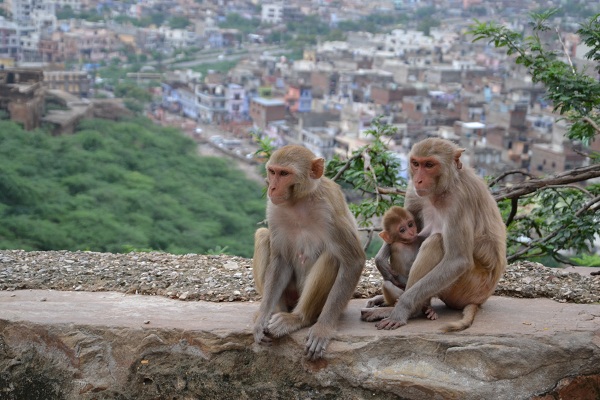
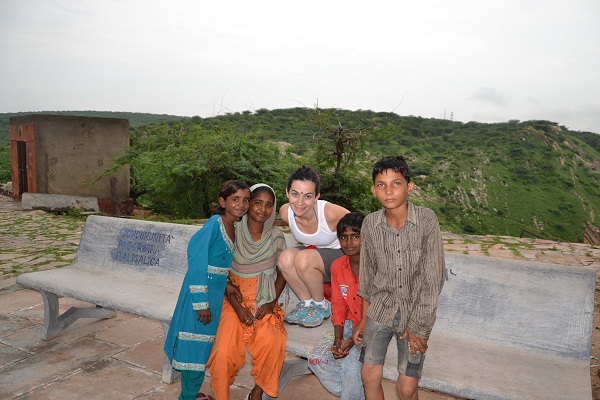
DSC_0810_post DSC_0808_post DSC_0786_post DSC_0792_post

The city of Jaipur relies on tourism to a great extent and also its manufacturing industry from textiles, to jewelry to tapestry. Our guide, eyeing a commission but we liked the visit, took us to some factories/stores in Mughal Town,  where some of these products were being manufactured and sold.

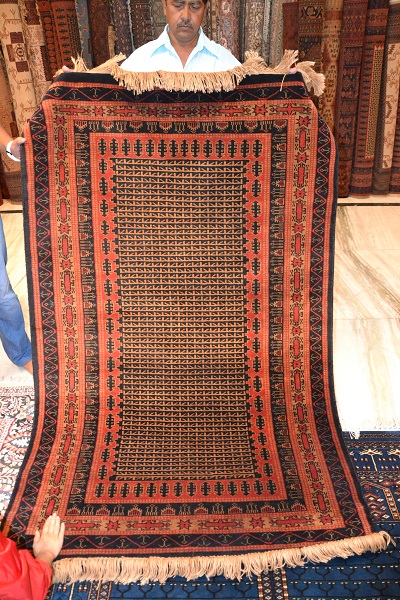
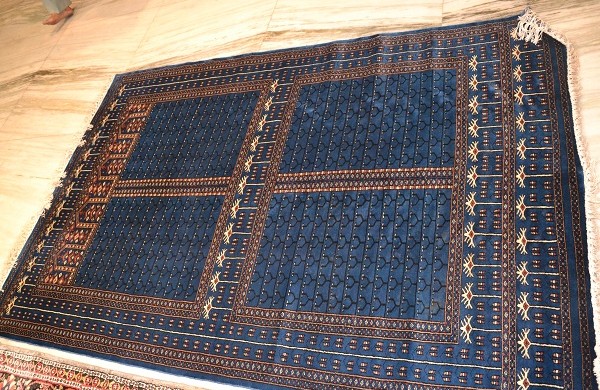
We had the chance to witness how the unique camel rugs are manufactured as well as silk and wool carpets. The owners of the factory took us on a guided tour to show the whole process, expecting to sell us one of their beautiful, furry rectangles (prices starting from 500 euros upwards…shipping costs aside), alas they were not fortunate on this day…”tight daily budget my friend”, was our response, while drinking a delicious chai. =)

We leave you with a small sample and we accept orders. We ask you do the same as we did with Raul, that is, be aware we have a commission on your purchase, but don’t take it the wrong way ….”tight daily budget, my friends”. Just kidding! =)
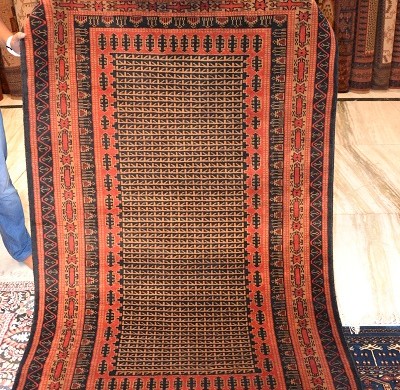
DSC_0718_post
Tapete de Pêlo de Camelo / Camel Rug
DSC_0717_post
Tapete de Lã de Ovelha / Wool rug

Since we only spent one day in Jaipur and on top of that most of it under heave monsoon rain, we did have the time to visit the farther beautiful forts, but from the 24 hour experience we definitely enjoyed Jaipur and we had a good time, so who knows if we might come back someday to the Pink City.

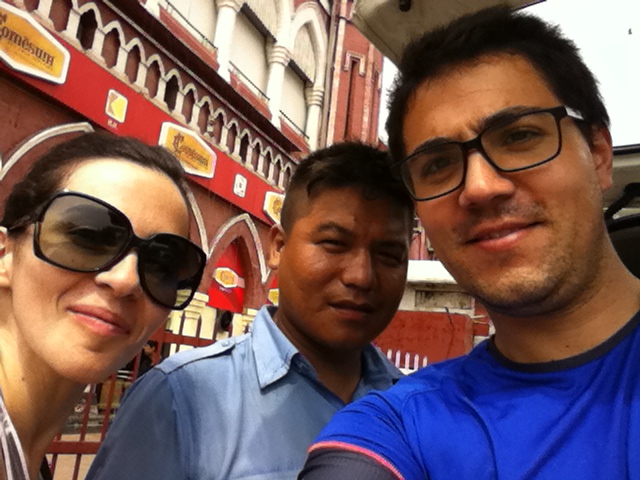
We had a delicious dinner with our guide, despite a very long, too long conversation that was making us grow impacient about missing our train…”it’s really close my friend. Station only 3 minutes away”. We finally got to the station where we had a nice misunderstanding with Raul concerning the remuneration for his services, but we eventually agreed on the original fixed price!!! A quick two photos and bye bye Raul, we have a train to catch, see you next time.

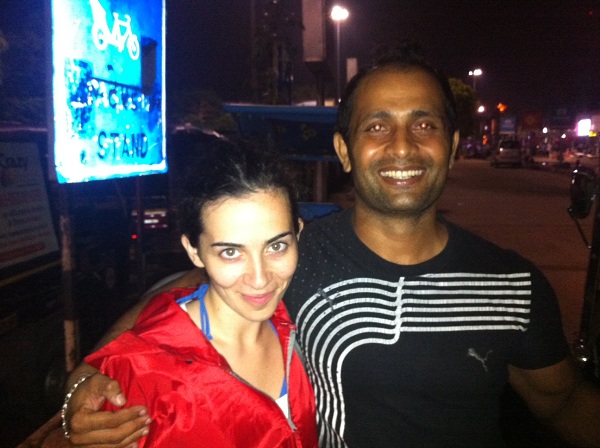
photo (13)_post photo (12)_post

Around 20 minutes from ending our day we had our last adventure. The “very close” was suddenly “very far” when, at the station’s entrance the departure board showed all the trains departing…except ours scheduled for 23h45, which meant we had approximately 8 minutes to board a train that we had no idea where it was. Imagine yourselves at Campanhã station (Porto-Portugal) in this situation. Ok, it’s tight but no biggie right? Worst case scenario, you would sleep there.

Now picture yourselves at an indian train station, chaotic, with hundreds and hundreds of people around you (the definition of an indian train station), with a hand luggage airport-type control at the entrance, with no idea of which platform to go to. In the next two minutes we were able to find a gentleman that kindly told us to go to platform 4. At this point we were running with our backpacks (needless to say 30 seconds later we were sweating like pigs; always good when you’re about to start a 10-hour train trip), we  climbed a flight of stairs to go through a pedestrian bridge that would lead to platforms 2 to 6, but we quickly found out at the top that the stairs that descended to platform 4 were blocked for renovation. So, to summarize, with 5 minutes to go, we could see our train from the bridge, but we had no idea how to get there. We tried going down to platform 5-6 to see if there was an access there, but we saw no way through either. 4 minutes to go. We came back, climbed the bridge again and descended onto platform 3. Diogo jumps onto the train line and Sara is frozen staring at Diogo. 3 minutes to go. Diogo, politely yells at Sara: “Sara, jump onto the line to cross”! Sara, shivering, starts to climb down to the train line. We jumped the metal division separating lines 3 and 4 and, contrary to all the rats around us we climbed from train line 4 the platform 4, leaving them nasty creatures behind. Whewww…now we only have 1 kilometer of train to go (yes, they have rather small short trains in India) in just under 2 minutes. Doable! Side by side we were blazing through the crowd, pushing and knocking passengers and salespeople alike. We had already ran for about 300 meters when we hear a blast followed by some screams from the locals present. The daypack Diogo was carrying with our camera, laptop, passports, wallets, phones and all else that really mattered to us (yeah, we were intelligently carrying them all together) opens and the camera and some laptop cables splash on the platforms floor. With 1 minute to go, we were separated with Sara at the door to one of the carriages and Diogo running towards that carriage after retrieving the fallen items (hopefully all of them but no time to double check) with one hand on the back trying to hold the day pack together since he didn’t have the time to organize the stuff inside and close the daypack. We got in, we made it! Wrong carriage and without a way to go to the right carriage from the inside since there was a luggage carriage in between locked with no access. We ended up talking to some of the passengers and train staff and after one hour of waiting, at the train’s first stop we got out and ran to the correct carriage.

1 o’clock in the morning and we are finally laying in our AC2 berths. Good night and sleep tight.
DSC_0646_post

Indiaaaaaaaaaaaaa…Incredible Indiaaaaaaa!

0

28-07-2013
Mais umas horinhas de sono não nos tinham feito mal depois da semana caótica que foi esta última semana antes da partida.
Estamos em Paris em casa da avó da Sara que amavelmente nos deu a nossa primeira refeição pós-partida. Costeletas de vitela com alho e esparguete. Com uns queijinhos franceses no final para rematar. O paladar até agora ainda não sofreu! Nem os intestinos!

Agora são 7h18 e vamos sair para Charles de Gaulle, para apanhar o voo para Riade e Nova Deli. A avó da Sara despediu se de nós pedindo que não fossemos para muito longe e que em Portugal é que se está bem. Não discordamos, queremos é reforçar esta ideia!  =)
Off we go!


28-07-2013 to 29-07-2013 
11h25. Saudia Airlines, 777. Quase cauda, fila do meio, entre uma Sra. indiana e um Sr. árabe
Strike 1 : a tv do Sr. árabe não funciona. One down, lady to go! :)
Strike 2 : ou tv da Sra. indiana não funciona ou não gosta do Di, either ways…fugiu tb! :)
Fila só para nós!!
1h de voo e vem o almocinho: arroz acarilado com galinha e caju, bolinho de canela com cenoura e chocolate branco, salada pepino e tomate, salada de salmão fumado, pão e mini mars para terminar.

Passados 2 episódios de Friends, Marine 3, Henry’s crime e Mechanic e prestes a aterrar em Riade para uma escala de 10 horas, as simpáticas hospedeiras entregam-nos duas caixas com aquilo que seria o nosso lanche.
Chamucinhas de queijo, bolinho com sabor floral e recheio de pasta de pistácio, sandes de queijo e suminho de laranja acomodaram-nos o estômago.
A espera foi cansativa, mas tranquila e bastante musical… Halaaa hakbah!! :)
Marcaram-nos os tapetes destinados à reza frequente, as imagens indicativas do WC das senhoras e dos senhores ( no bodies, only heads almost fully covered no caso das senhoras) e as malditas obras que não pararam durante todo tempo de espera.
Já passados pelas brasas, mas não mais do que breves minutos, diria, começa o check-in! Um pouco atrasados, porque decidimos actualizar umas coisas no PC à ultima da hora, mas…IN!
05h20. Saudia Airlines, 777.
Quase cauda avião. Fila esquerda, apenas sr indiano ao lado direito. Praticamente apenas indianos de olhos esbugalhados e a sra francesa que ia para Nova Deli dar aulas de inglês durante 3 semanas ( nossa companheira de voo de paris para Riade).
4 horitas de voo passadas, quase todas de sono, pequeno almoço com direito a croissant, suminho, omeleta com uma versão de tortilha espanhola à árabe (pretty close) e salsicha, tomado e eis que aterramos, finalmente, em Nova Deli.
29-07-2013
We were so tired arriving at New Delhi, with so little sleep!
We got our luggage pretty quick from the baggage claim and proceeded to the metro express straight to New Delhi station. Just followed the metro indications when leaving the airport building.
Of course we got immediately approached by a neatly dressed indian young guy that asked if we needed transportation.
It took a while to convince him to go away but we never stopped walking – best strategy!
We heard there are a lot of scams at airports, train and bus stations, where they will tell you your hotel is full and you need to go by taxi with them to go to another hotel.
Common sense should always be the rule.
The airport express to New Delhi was 150 rupees each.
Neste momento em que escrevemos sobre o trajecto a pé da estação de comboios até ao nosso hotel (Raj New Delhi), já estamos fully recovered, mas a verdade é que foi uma experiência algo tenebrosa e extenuante. Em poucas palavras: humidade, excrementos, urina, buzinas, confusão e um mau-cheiro geral pautaram esta dura caminhada.
Mas no final do dia comemos chicken curry com naan e plain rice e tudo acabou bem.
30/07/2013
We’re done with our sweet little filled-with-cockroaches hotel, so we finally made it.
We only paid for 1 night instead of 3 nights and we think the hotel is chasing us for the other two nights, cause they were calling our taxi driver! Maybe they just want to tell us we were fantastic guests (we did agree with the guy at the reception from the day before to stay one night only, but maybe the replacement guy today didn’t know about our arrangement!).
While we took care of our arrangement for the stay, we also agreed with the hotel to book a driver to do some sightseeing with us on the following morning. He gave us two prices 740 rupees (approx 9 euros) for half a day and 1040 rupees (approx 13 euros) for a full day.
We had a “heavy-level” morning with our nepalese taxi driver Dev Rana! He gave us important information like New Delhi has 14 million people and 10% of indians are good, while remaining 90% are cheaters… people are very money driven unlike in Nepal, according to Dev.
A day with Dev ended up costing us 1000 rupees but we paid an additional 80 rupees for parking  (we felt this was more like a tip). But we liked Dev so much that we ended up paying for his breakfast and lunch with us!
We had breakfast at Mcdonalds and lunch of tandoori chicken at less than 250 rupees per person.
As far as the visit went, we got to visit Ghandhi’s mausoleum in a peaceful littlle park (where we had to enter barefeet), the Red Fort (being hand painted with red clay by several men, to make sure the fort keeps being red!), the amazing but dirty as hell and crazy street market of Chandni Chowk and we passed by Connaught Place (bought a couple of books and had lunch there).
As far as sightseeing goes, India can be a rough place we have to admit. But we’re sure that culturally speaking we will be amazed along the way.
Delhi is a mess. People everywhere, along with dirt, sewers and animals of all sort.
To get a clearer image of what things are like here, imagine trash and “cow-cars” everywhere, where you have to horn for your life to get around in the traffic (better yet Dev took care of this part for us).
Crossing streets by foot is an amazing challenge, you just have to sort of close your eyes and hope no cars, bycocles, cows or other animal vehicles will run into you.
The street smell gets in your nose and doesn’t get out that easily…and it isn’t necessarily the best smell you can imagine.
Also part of the adventure. :)
The ATM was pretty good though. A small 1sqm room guarded by a policeman. It was quite good but your body needs to be able to withstand hypothermic temperatures if you plan to take longer than 2 minutes inside!
You must understand that AC is really important and whenever they can they push it! Push it heavy-level!!!
So as for as humidity goes…for christ’s sake we hope to be able to endure Mumbai and Goa’s weather cause we expect heavy-level humidity there!

So now Dev has dropped us in the Old Delhi Station. We waited for  the train in an AC waiting room. More like a fan waiting room, but it was ok.

Dev_Rana_at_New_Delhi_Station

We were expecting the train not to be much of a shock, but then again this is India! The train station looked scary!
Our dinner today should be only some cookies since we will only get to Jaipur at 8pm. Tomorrow we will get on a 10-hour night train to Jaisalmer.
Again…so far so good.
Our stomachs and intestines seem to be handling it pretty well so far.
Notes of the day:
“Heavy level” – Dev Rana’s expression for “really damn good”
“Better conceal than reveal” – expressão para descrever Riade
“In New Delhi, you must horn for your life” – Sara’s expression upon seeing the way people drive in Delhi
Crazy people – the way Dev Rana described New Delhi residents. In his word: “Crazy people, these indians are so crazy” then he started to laugh a little crazy himself!
A lot of busy – Dev’s overall expression to describe the chaos of New Delhi
Good computer engineer – Dev referring to Diogo when he kindly taught him on to handle memory storage on his smartphone

Indiaaaaaaaaaaaaa…Incredible Indiaaaaaaa! – link

Indiaaaaaaaaaaaaa…Incredible Indiaaaaaaa!

9

28-07-2013
A few hours of sleep would have been great, particularly after this last crazy week, before our departure.
We are in Paris, at Sara’s grandma’s house, who kindly took us in and cook us our first meal since our departure from Portugal. Veal chops with garlic and spaghetti. With some french cheeses saved for the end of the meal. Our palates so far have not endured any deprival! And our intestines are still working as a charm!


Right now it’s about 7h18 and we’re about to leave headed to Charles de Gaulle airport, to catch our flight to Deli, with a stopover at Ryad. Sara’s grandma sent us off, asking us not to go too far, telling us that in Portugal our lives are much better. We don’t disagree with her notion, we simply want to reinforce it!  =)
Off we go!

28-07-2013 to 29-07-2013
11h25. Saudia Airlines, 777. Pratically at the back of the airplane, middle seats, squeezed between an indian lady and an arab man.

Strike 1 : the arab man’s personal entertainment system isn’t working, so he’s changed seats. One down, lady to go! :)
Strike 2 : either the indian lady’s screen isn’t working or she doesn’t like Diogo, either ways…she’s gone too! :)
We have the 4 middle seats all to ourselves!!

With one hour flight time, we receive our first lunch: curry chicken rice with cashew nuts, cinnamon-carrot cake with white chocolate topping, tomato and cucumber salad, smoked salmon salad, bread and a mini-Mars to finish it off.

After 2 episodes of Friends, Marine 3, Henry’s Crime and the Mechanic we are about to land at Ryad airport for a 10 hour stopover and the nice flight attendants hand us one box each with our afternoon snack. A snack comprised of cheese samosas, a flower-tasting cake with a pistaccio filling, cheese sandwich and orange juice.

The waiting at the airport was tiring, but pretty quiet and rater musical….Halaaa hakbah!! :)
We will particularly recall the rugs for the daily prayers, the images indicating “Gentlemen” and “Ladies” for the WC (no bodies, only heads almost fully covered in the ladies case) and the damn construction works in our terminal that didn’t stop all night long while we were in the waiting area (right next to the noise).

We slept for a few minutes at a time we would say, until check-in began! We lost track of time cause we decided to update some things on the laptop and we checked-in rather late at the gate, but we made it and we were IN!

05h20. Saudia Airlines, 777.

Siting almost at the tail of the airplane. Left row seats, with an indian man on our right side, by the aisle. The flight was practically filled with stary-eyes indians and the french lady we met in Ryad who was going to teach english in Delhi for 3 week (she also flew with us from Paris to  Ryad). Good luck with that!

After 4 flight hours, mostly spent sleeping, we had breakfast with croissant, juice, omelet, a sort of arab-style spanish tortilla (pretty close) and sausages. Shortly after we finally landed in New Delhi.
29-07-2013
We were so tired arriving at New Delhi, with so little sleep!
We got our luggage pretty quick from the baggage claim and proceeded to the metro express straight to New Delhi station. Just followed the metro indications when leaving the airport building.
Of course we got immediately approached by a neatly dressed indian young guy that asked if we needed transportation.
It took a while to convince him to go away but we never stopped walking – best strategy!
We heard there are a lot of scams at airports, train and bus stations, where they will tell you your hotel is full and you need to go by taxi with them to go to another hotel.
Common sense should always be the rule.
The airport express to New Delhi was 150 rupees each.

Right now, as we are writing about the walk from the train station to our hotel (Raj New Delhi) we are fully recovered, but the truth is that it was a not so pleasant and exhausting experience. In a few words: humidity, excrements, urine, honking, overall confusion and a general bad smell are the things we will most recall from this walk.

At the end of the day we ended up dining at the hotel. We had some chicken curry, naan and plain rice and it all worked out fine!

30/07/2013
We’re done with our sweet little filled-with-cockroaches hotel, so we finally made it.
We only paid for 1 night instead of 3 nights and we think the hotel is chasing us for the other two nights, cause they were calling our taxi driver! Maybe they just want to tell us we were fantastic guests (we did agree with the guy at the reception from the day before to stay one night only, but maybe the replacement guy today didn’t know about our arrangement!).
While we took care of our arrangement for the stay, we also agreed with the hotel to book a driver to do some sightseeing with us on the following morning. He gave us two prices 740 rupees (approx 9 euros) for half a day and 1040 rupees (approx 13 euros) for a full day.

We had a “heavy-level” morning with our nepalese taxi driver Dev Rana! He gave us important information like New Delhi has 14 million people and 10% of indians are good, while remaining 90% are cheaters… people are very money driven unlike in Nepal, according to Dev.
A day with Dev ended up costing us 1000 rupees but we paid an additional 80 rupees for parking (we felt this was more like a tip). But we liked Dev so much that we ended up paying for his breakfast and lunch with us!
We had breakfast at Mcdonalds and lunch of tandoori chicken at less than 250 rupees per person.

As far as the visit went, we got to visit Ghandhi’s mausoleum in a peaceful littlle park (where we had to enter barefeet), the Red Fort (being hand painted with red clay by several men, to make sure the fort keeps being red!), the amazing but dirty as hell and crazy street market of Chandni Chowk and we passed by Connaught Place (bought a couple of books and had lunch there).
As far as sightseeing goes, India can be a rough place we have to admit. But we’re sure that culturally speaking we will be amazed along the way.
Delhi is a mess. People everywhere, along with dirt, sewers and animals of all sort.
To get a clearer image of what things are like here, imagine trash and “cow-cars” everywhere, where you have to horn for your life to get around in the traffic (better yet Dev took care of this part for us).
Crossing streets by foot is an amazing challenge, you just have to sort of close your eyes and hope no cars, bycocles, cows or other animal vehicles will run into you.
The street smell gets in your nose and doesn’t get out that easily…and it isn’t necessarily the best smell you can imagine.
Also part of the adventure. :)
The ATM was pretty good though. A small 1sqm room guarded by a policeman. It was quite good but your body needs to be able to withstand hypothermic temperatures if you plan to take longer than 2 minutes inside!
You must understand that AC is really important and whenever they can they push it! Push it heavy-level!!!
So as for as humidity goes…for christ’s sake we hope to be able to endure Mumbai and Goa’s weather cause we expect heavy-level humidity there!
So now Dev has dropped us in the Old Delhi Station. We waited for the train in an AC waiting room. More like a fan waiting room, but it was ok.

Dev_Rana_at_New_Delhi_Station

We were expecting the train not to be much of a shock, but then again this is India! The train station looked scary!

Our dinner today should be only some cookies since we will only get to Jaipur at 8pm. Tomorrow we will get on a 10-hour night train to Jaisalmer.
Again…so far so good.
Our stomachs and intestines seem to be handling it pretty well so far.

Notes of the day:

“Heavy level” – Dev Rana’s expression for “really damn good”
“Better conceal than reveal” – expressão para descrever Riade
“In New Delhi, you must horn for your life” – Sara’s expression upon seeing the way people drive in Delhi
Crazy people – the way Dev Rana described New Delhi residents. In his word: “Crazy people, these indians are so crazy” then he started to laugh a little crazy himself!
A lot of busy – Dev’s overall expression to describe the chaos of New Delhi
Good computer engineer – Dev referring to Diogo when he kindly taught him on to handle memory storage on his smartphone
Indiaaaaaaaaaaaaa…Incredible Indiaaaaaaa! – link

Escolher SEGURO de viagem

0
rtw insurance
Image courtesy of David Castillo Dominici at FreeDigitalPhotos.net

Caros caminhantes, este artigo fala de um dos principais aspectos a tratar antes de partir numa viagem deste “calibre”!…Ou seja, escolher o SEGURO! (e não, não estamos em campanha eleitoral!!) =)

Um ano sem saber ao certo onde ficar, o que comer, o que fazer catapulta-nos para uma certeza imediata…precisamos de seguro!!! No entanto não é propriamente fácil encontrar um seguro “em conta”, que se adeque a este tipo de viagens. Uma boa parte daqueles que encontrámos só estavam disponíveis para residentes UK; e/ou exigiam o regresso ao país de origem após 180 dias de modo a renovar por mais 180 e…tinham preços exorbitantes!!!


Finalmente encontramos o seguro da WorldNomads (http://www.worldnomads.com/), que nos pareceu muito adequado. Não só a página está desenhada à medida do backpacker, como o preço era muito competitivo (cerca de 800€/pessoa/1 ano).

A decisão estava praticamente tomada quando, oportunamente, me sugeriram contactar o seguro contratado pela empresa onde trabalho (trabalhava daqui a 15 dias L), pelo qual acabámos por optar!

Trata-se da Chartis (Grupo AIG), que tem um seguro específico para viajantes – Chartis Individual Travel – o qual tem as coberturas apropriadas para uma viagem à volta do mundo, a um preço extremamente competitivo (face à WorldNomads conseguimos uma poupança de quase 500€).

Principais benefícios do Chartis Individual Travel:


-Capital Seguro de 500.000 € para a Cobertura de Morte ou Invalidez Permanente

– Despesas Médicas no estrangeiro ilimitadas por doença ou acidente

– Despesas médicas em Portugal na sequência de acidente ou doença ocorrido no estrangeiro

– Sequestro, Rapto e detenção ilegal

– Evacuação política

– Repatriamento ou evacuação médica garantidos

– Extensão da cobertura para toda a família

– Cobertura para bens pessoais e equipamento profissional (ex: portátil; artigos de luxo)

– Perda, furto ou roubo de bagagem

– Cancelamento e interrupção de viagem

– Atraso de vôo

– Dinheiro e documentos de valor

– Responsabilidade civil pessoal € 5.000.000

– Âmbito territorial mundial

– Risco de Guerra, Terrorismo, Nuclear Biológico e Químico

Em resumo, há alternativas à WorldNomads e bem mais competitivas, por isso não se fiquem, à primeira, pela mais badalada. Por constatarmos que a actual oferta deste tipo de seguros em Portugal é ainda muito limitada (ou pouco conhecida), chegamos a convidar a Seguradora para ser nossa sponsor, mas julgamos que nos faltou poder de convicção…Talvez na nossa próxima volta ao mundo! =)

Choosing RTW Insurance

0
rtw insurance
Image courtesy of David Castillo Dominici at FreeDigitalPhotos.net

Dear travellers, this article is about one of the top concerns for anyone departing on a one year endeavour, such as ours! That concern is RTW INSURANCE!

A whole year, not knowing exactly in what type of conditions you will live in, sleep in or eat puts insurance on top of our priority list! It’s not exactly easy finding a reasonably priced RTW insurance, that is suitable for this type of trip.

During our search, a lot of the options for RTW insurance we found were only useful for UK residents, for instance. Others required a maximum period of 180 days abroad, after which we had to return to our home country before continuing the one year trip (something that made very little sense to us). Others simply had off the charts prices for RTW insurance!!!


We ended up finding the WorldNomads (http://www.worldnomads.com/) RTW insurance, which at a given point, seemed to be the most appropriate one. Not only does it perfectly seem to fit the RTW traveller needs, but it also had a more reasonable price (around 800 euros per year per person).

We had practically made up our minds regarding RTW insurance when, and quite timely we might add, a co-worker at Sara’s workplace suggested directly contacting the insurance provider that worked with the company Sara works for (or used to work for depending on when you’re reading this post!). Well, as it turns out, this was the insurance we opted for!

The insurer is Chartis (AIG Group), and they offer a specific traveller insurance (they don’t call it a RTW insurance, but it fits the requirements) – Chartis Individual Travel – that covers a lot of the unexpected events one might come to face (hopefully not) during a trip such as this and on top of that, at a very competitive price (we saved in total about 500 euros comparing to the WorldNomads price!)

Main features of the Chartis Individual Travel RTW insurance:


– Insured capital of 500.000 € in case of death or permanent injury;

– Unlimited Medical expenses abroad due to sickness or accident;

– Medical expenses in our home country due to accident or disease occurred abroad;

– Sequester, Kidnapping, ilegal detention;

– Political evacuation;

– Return to home country or medical evacuation guaranteed;

– Extended coverage for entire family;

– Coverage of personal goods and professional equipment (laptop, luxury items, etc)

– Loss, theft ou stolen luggage;

– Cancelled or interrupted trip;

– Flight delays;

– Money and valuable documents;

– Personal Liabilities insurance up to  5.000.000 euros;

– Worldwide coverage;

– Risk of War, Terrorism, Nuclear/biological/chemical warfare;

To sum it all up, there are alternatives to Worldnomads, and this seems to be a more competitive one, so don’t just stick to the first RTW insurance that looks ok to you.

One great thing about this RTW insurance is that you can use it for one person only, but if you extend it to the family (wife/girlfriend/children), then the price per person really comes down and makes it very competitive.

After finding out that the number options for RTW insurance in Portugal is quite limited (not well known), we invited the insurance company to be our sponsor, alas we believe we lacked some persuasion…maybe in our next RTW trip! =)

We just hope all goes well and we don’t ever have to use it, but we will definitely post a post-trip update about the RTW insurance we chose!

Osprey Farpoint 55 – why e review

0

Uma volta ao mundo tem que se lhe diga. Tanto a nível de planeamento de viagem como de pré-viagem. Um dos pontos mais importantes é o que levar, mas “onde os levar” não fica atrás. No nosso caso optámos pelas Osprey Farpoint 55 e 40 e vamos explicar porquê.

Há tantas mochilas diferentes, com tão variadas dimensões, que faz com que a escolha de uma mochila não seja nada fácil e por vezes torna-se cansativo. Lêem-se reviews a fio e umas fazem-nos inclinar mais para umas, mas a seguir lemos outras reviews que nos põem a pensar duas vezes! Por vezes é uma pescadinha de rabo-na-boca para usar uma expressão bem nossa.Depois de já termos feito a escolha das Osprey Farpoint 55 e 40 e de já as termos comprado e utilizado (ainda que pouco tempo para já) podemos dizer que estão a corresponder ao que queríamos e ao que tínhamos lido.

Check-in ou carry on?

Passo número 1. Para facilitar (MUITO) a decisão de mochila, comecem por determinar se querem uma mochila para levar no avião ou se isso vai ser impossível (porque precisam de mais espaço) e portanto vai ser uma mochila para fazer check-in nos aeroportos. As Osprey Farpoint 55 e 40, como referimos à frente, dão para levar no avião!

Esta decisão é importante pois impacta desde logo o tempo de espera nos aeroportos, risco de perda/roubo de bagagem e mesmo desgaste da bagagem (devido aos tapetes rolantes do aeroporto e a funcionários de handling num mau dia).

Volume da mochila

Passo número 2. Está diretamente ligado com o 1 mas é a segunda decisão mais importante, que é o espaço ou volume da mochila em Litros. Que dimensão de mochila vou levar? Nós começámos por olhar para mochilas de 60 ou 70 litros de volume, mas depois de muita leitura e opiniões de amigos, começámos a compreender e acreditar que “less is more”. Afinal de contas, vamos andar 1 ano com a casa às costas, por isso convém que a casa seja em contraplacado tipo Ikea e não madeira Paços Ferreira ou tijolo de …bem, dá para perceber certo? =)

Decidir que volume de mochila levar é uma opção muito pessoal, pois cada qual sabe o que precisa para sobreviver, mas o melhor conselho é: Não comprem espaço que não precisam! No nosso caso, optámos por fazer uma lista de coisas a levar, desde roupa, eletrónica, rede mosquito, kit primeiros socorros, etc. e avaliámos esta lista em termos do espaço necessário e mesmo recorrendo a imensos blogs de pessoas que tinham levado listas semelhantes.

O Diogo usou a Osprey Farpoint 55 numa viagem de 1 mês a Itália, Eslovénia e Croácia e tem bom espaço, mas não é enorme. No entanto a título de exemplo, quando ele colocou demasiado peso (levou um portátil pesado lá dentro) num fim de semana em Roma, em que andou um dia inteiro com ela às costas, ficou puxado!

Que marca de mochila?

Depois de optar pelo volume da mochila, a decisão fica mais fácil. Usem canais como a Amazon para descobrir boas marcas e consultem o sistema de reviews da Amazon para ficarem a saber o que as pessoas acham dos produtos/marcas e mesmo vantagens e desvantagens de algumas mochilas que muitas vezes não nos lembramos.

Depois desta consulta e de verem 2, 3, 4 ou 5 opções, consultem blogs de viagem de quem já passou pela experiência de as usar meses ou por vezes anos a fio. Geralmente, cria-se uma relação de amor ou ódio com a mochila que compramos (mais amor pelo que vimos na nossa pesquisa), por isso são excelentes fontes de informação para tomar uma decisão acertada.

No nosso caso vimos várias reviews da Osprey e alguns bloggers que tinham levado especificamente as Osprey Farpoint 55 e 40, o que foi ótimo para ter acesso a opiniões de quem já andou com elas muito tempo seguido.

Osprey Farpoint 55

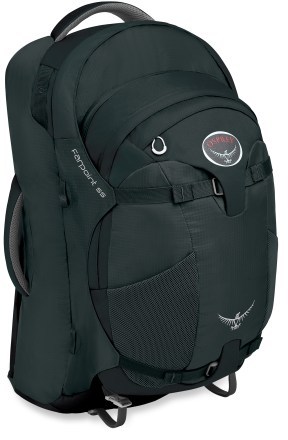
osprey farpoint 55Nós optámos pelas Osprey Farpoint 55 e 40 e  os motivos foram simples. Queriamos duas mochilas que fossemos capazes de levar conosco no avião e, no caso da Osprey 55 do Diogo, ele simplesmente adorou a ideia de ter a “detachable daypack”. A “detachable daypack” é simplesmente uma mochila mais pequena (15L) que está agarrada com fechos à mochila principal. É excelente porque levar uma mochila mais pequena é fundamental para quando queremos pousar as coisas no hostel/hotel/pousada/whatever, e levar menos coisas connosco enquanto exploramos uma localidade.

A Osprey Farpoint 55 não é uma mochila. São portanto duas: uma de 38L que é a principal e a pequena destacável de 15L. Se levarmos as duas mochilas às costas conseguimos transportá-las como bagagem de mão e depois no avião se quiserem podem separá-las caso não caibam juntas no compartimento superior.

Já a usámos em duas viagens de avião, na TAP e Brussels Airlines (neste caso num avião mais pequeno) e em ambos os casos ela coube na perfeição atravessada, ou seja com o topo da mochila virado para nós quando colocada no compartimento. A altura da Osprey Farpoint 55 é da largura do compartimento, o que é perfeito, por isso nem sequer precisam de a colocar de lado (ainda sobrava espaço =) ). Não tivemos a lucidez de tirar uma foto na altura, mas vamos tentar ainda atualizar este post com uma na próxima viagem de avião.

A mochila destacável tem mais opções de arrumação e é ideal para levar quando se vai visitar e durante as viagens de avião podem colocar lá um portátil perfeitamente, caso queiram fazer check-in da mochila grande.

A Osprey Fairpoint 40, por sua vez, não tem detachable day pack. É uma mochila com dois fechos principais, um de acesso ao compartimento maior onde se arruma a roupa, sapatos e demais acessórios e um outro de acesso a um compartimento mais  pequeno ideal para colocar o pc/tablet. A abertura de ambas as mochilas é semelhante à de uma mala de viagem (ou seja, o fecho permite abrir a mochila em dois), detalhe ao qual demos especial importância aquando da sua escolha pois permite uma melhor arrumação do que outras mochilas que só abrem no topo. Um plus é também o facto de os fechos serem bastante fortes e serem dois, o que permite “trancar” a mochila com mini-cadeado.

Como usar o espaço – acessórios importantes

Podiam estar à espera de grandes conselhos para arrumação mas na verdade só temos dois. Nos 40L da mochila grande temos que levar todos os essenciais que referimos acima: roupa, acessórios, tudo. Para tudo o que seja roupa, a recomendação é comprar os famosos “compression sacks”: como este. De repente, tudo aquilo que pensámos que ia ocupar a totalidade da mochila, passa a ocupar um terço do espaço. Ok, a roupa fica engelhada sim, mas qual a importância disso no grande esquema do universo? =)

O segundo conselho é: comprem packing cubes como este. Estes são bons pois ajudam a organizar o interior da mochila grande (isto nos casos em que a mochila não tem arrumação interna como é o caso da Osprey Farpoint 55) e facilitam e sistematizam o “fazer a mala”, ajudando a evitar o “como raio é que eu pus tudo isto lá dentro quando saí de Portugal?”.

Vantagens e desvantagens importantes da Osprey Farpoint 55

Rapidamente, vantagens da Osprey Farpoint 55: carry-on, mochila destacável. O “confortável”, “dimensão ajustada” e afins são muito bonitos mas são sempre muito subjectivos…o que é para uns, pode não ser para outros.

Desvantagens da Osprey Farpoint 55: mochila grande sem arrumação interna, não tem protetor de chuva (este é mesmo preciso comprar).

Duas vantagens e duas desvantagens, mas as desvantagens a meu ver são facilmente ultrapassáveis com um pequeno investimento adicional.

A Sara optou pela Osprey Farpoint 40 (é parecida com a minha, mas equivale à minha main pack, mas mais pequena e tem um compartimento com arrumação semelhante à da minha daypack).

Espero que este artigo tenha ajudado! Happy travels!

Bilhete RTW ou Pay-as-you-go?

0
rtw ticket

Este artigo é sobre a nossa escolha entre comprar um bilhete de avião Round the World ou comprar os bilhetes de avião um a um, à medida da nossa rota. Pode ler sobre que empresas que vendem bilhetes RTW, quais as vantagens e desvantagens de cada um e o porquê da nossa opção.

Bilhete RTW

Os bilhetes RTW são vendidos pela Star Alliance, One World e Skyteam, poderão haver outras mas estas são as que conhecemos durante a nossa pesquisa (a Great Escapade chegou a ser uma alternativa, mas o programa foi fechado algures em 2012).

Cada uma destas empresas tem disponível no seu site um software de planeamento de rota, com o qual o viajante consegue fazer uma simulação da sua viagem RTW, as cidades/aeroportos para onde pretende voar, assim como as milhas usadas nesse percurso, milhas essas que no final correspondem a um custo em euros, claro está.

Da nossa pesquisa e para a viagem que queremos fazer, a grande desvantagem do bilhete RTW acabou mesmo por ser o preço, que nos levou a arriscarmos o esquema Pay-as-you-go. Os valores mínimos a que estávamos a chegar para fazer a viagem, ultrapassavam os 3300 euros e com um pay-as-you-go (mesmo pesquisando preços a 1 mês de distância), conseguíamos valores finais de 2.200 eur por pessoa, para um percurso semelhante, mas recorrendo muitas vezes a empresas low-cost, que não fazem parte dos agrupamentos de companhias aéreas que oferecem a opção RTW.

Um limite muito importante no bilhete RTW é que ele é válido por 1 ano após a data de partida.

Pay-as-you-go

A grande vantagem do pay-as-you-go é sem dúvida a flexibilidade que dá, assim como a possibilidade de usufruir das excelentes low-cost que existem um pouco por todo o mundo, especialmente e no nosso caso, na Ásia. Se é verdade que a América do Sul não tem opções baratas de voos entre países, também é verdade que é fácil e barato viajar e arranjar ligações de autocarro ou comboio.

Na Ásia e Oceânia, dada a existência de inúmeras companhias low-cost, é vantajoso poder optar por estas companhias áereas e evitar as companhias mais antigas e mais “pesadas” na carteira, que compõem os grupos Star Alliance, One World e Skyteam como referimos acima.

Conclusão

Escolher o tipo de bilhete para uma viagem à volta do mundo é um passo importante no planeamento, pois é uma parte significativa do custo e pode implicar perder alguma flexibilidade. É acima de tudo uma escolha pessoal. No nosso caso, não só achámos que nos poderia ficar mais barato, pelo uso de low costs, como em alguns casos poderia justificar fazer percursos pela via terrestre por locais que não queríamos deixar de ver, tomando a opção aérea.

Para quem pretende viajar um ano, a derradeira pergunta a que deve poder responder antes de tomar a opção é mesmo: e se a meio me apetecer ficar dois?

RTW Ticket or Pay as you go?

0
rtw ticket

This article is about the option between buying a RTW ticket or buying your airplane tickets one by one, as you go along your route. It’s about companies selling RTW tickets, the advantages and disadvantages of each option and why we chose to pay as we go.

RTW Ticket

RTW tickets are usually sold by Star Alliance, One World and Skyteam, although there might be others, these companies where the ones that kept popping up during our searches (Great Escapade was an option but unfortunately it was closed sometime during 2012).

Each of these companies has a route planning software in their website, with which each traveller can build a RTW trip simulation, choosing cities/airports to where you will want to fly and the miles used in each flight. In the end, all the miles summed up make up the cost of your trip, of course.

From our searches and taking into account the trip and route we plan to do, the biggest disadvantage of the RTW was the price. That was the main reason why we opted for the Pay-as-we-go choice. The minimum price we got to, to take all the flights needed for our trip, was over 3.300 euros and with the pay-as-we-go scheme (even searching prices only weeks in advance), we would get to values of around 2.200 euros per person. We believe we got this difference mainly because we could use a lot of low-cost airlines, which are not a part of these group of big airlines that offer the RTW option.

A very important limit on the RTW tickets is that they are valid for one year only, starting from the date of departure. When you’re travelling around the world, one year can go by really quick.

Pay-as-you-go

The biggest advantage of pay-as-you-go is no doubt, its flexibility and the fact that it enables you to use some amazing low cost airlines, particularly in Southeast Asia. Although in South America there aren’t that many cheap options to fly, the truth is, most of the time, you will probably be travelling by bus anyway, so it doesn’t make that much of a difference.

In Asia and Oceania, since there are so many low-cost options, it can be an advantage to be able to get these cheap tickets instead of more expensive ones from major airlines from Star Alliance, One World and Skyteam.

Conclusion

Choosing the type of ticket for a round the world trip is an important step during your planning, since it will be a significant part of your budget and can imply losing some flexibility. It is mostly a personal choice. In our case, we thought it would be fun to try it, it can end up being cheaper (thanks to being able to choose low-cost airlines) and in some cases can enable us to take the land transport option, thus allowing us to do some additional sightseeing while travelling from point A to point B, which would be impossible in many cases, if we chose the air option.

For those who plan to travel for a year, the real question you should start by answering is: what if, during the trip I choose to travel for two years? =)

And if you’re wondering why travelling is good for you, here are 8 good reasons why.

Eles sonham, a obra nasce

0

Como passamos de querer conhecer as Patagónias deste mundo a decidir conhecê-las?


Este post conta, resumidamente, como uma conversa de domingo à tarde resultou nesta aventura que têm sido estes dias, estes últimos meses e, esperançosamente, este próximo ano.

É libertador planear algo que, apesar de se basear em orçamentos (apertados), em compromissos, em diálogos permanentes e silêncios confortáveis, fustiga única e exclusivamente a descoberta, a aventura e a realização. Clichés à parte, pelo que temos conversado e do pouco que nos conheço, o que nos interessa é mesmo partir…

Quando surgiu a ideia de pegar em duas mochilas de 40L, máximo, e conhecer 21 países, ao longo de um ano?

Nada melhor do que passar um Domingo, tendencialmente deprimente, a comer pãozinho fresco com manteiga e a falar “de graça”. Não só sabe fartamente bem como pode dar lugar a ideias desafiadoramente brilhantes. E se bem me lembro foi exactamente assim que chegamos ao tema da viagem. O brainstorming começou com “é bem provável que queira passar umas temporadas lá fora, no próximo ano”, mas o “lá fora” não era comum, nem em coordenadas, nem em tempo, por isso, sem nos rendermos ao “quadradismo” a que o grito de autonomia e independência de cada um possa ecoar, passamos gradualmente para uma perspectiva mais flexível e, definitivamente, mais aventureira do género“e porque não tirar um ano e conhecer uns quantos países?”. Já agora, se bem me lembro também, esta mítica conversa teve lugar em Novembro de 2011.

 Da conversa  de Domingo, pós overdose de hidratos à digestão da ideia…

O momento “google it” fez parte do brainstorming. “Gap Year” no motor de busca e bamm, no mínimo 10 tabs abertas com “roundtheworldtrip”, “worlds nomads”, “legal nomads”, “fruitpicking” e mais umas quantas que nos alimentassem a mega expectativa de ser exequível conhecer o mundo, durante um ano, sabendo de antemão que condicionantes como poupanças ligeiras, o facto de sermos quase “recém-conhecidos”, a não existência de acordos de Portugal com outros países para working holidays visa, entre outras, não eram as mais favoráveis.


E durante semanas fizemos isto, tabs e mais tabs, hidratos atrás de hidratos (algo especialmente irritante sabendo que estava em pleno Inverno e fazia muito menos, para não dizer nenhum, exercício), na tentativa de começar a construir um business plan para A viagem. Nas primeiras semanas parecia uma ideia inabalável, mas a verdade é que a pesquisa foi-se tornando, muitas vezes, mal sucedida e desmotivante, o que nos fez abrandar o ritmo. No entanto, o objectivo de partir em meados de 2012 manteve-se, assumindo portanto que, no espaço de meses, teríamos de nos despedir, avisar famílias, poupar cada euro que pudessemos e não pudessemos, etc, etc. Não conseguimos. Talvez porque o compromisso com a causa não estivesse completamente afinado, ou simplesmente porque o timing não era assim tão perfeito. Não conseguimos avançar com a ideia e, durante a Primavera e Verão acordamos deixar o planeamento da aventura em “standby”.

Eis que praticamente um ano depois da tal conversa de Domingo, pós overdose de hidratos, num almoço no Bosque, em plena Maia, voltamos a falar da ideia de sermos nómadas por um ano. Porquê? Porque tudo (trabalho, família, amigos,…) corria bem. Rotina porreira. Tudo alinhado para continuar a fazer o que já fazíamos e, talvez, para dar um daqueles passos grandes, dali a uns tempos.  A noção de que estavamos naquele ponto em que nos podiamos render a uma espécie de rotina que, na maior parte das vezes, nos agradava e esquecer de vez a ideia do ano nómada fez-nos colocar tudo em perspectiva, novamente.

Foram algumas semanas de exposição, de não formalizadas listas de prós e contras, de análises custo-benefício. A conclusão de que estava tudo bem cá era inquestionável, mas ninguém estava verdadeiramente realizado e o bichinho de deixar Pegadas em Pangeia continuava cheio de vida, por isso…we sealed the deal e finalmente…digerimos a ideia.